

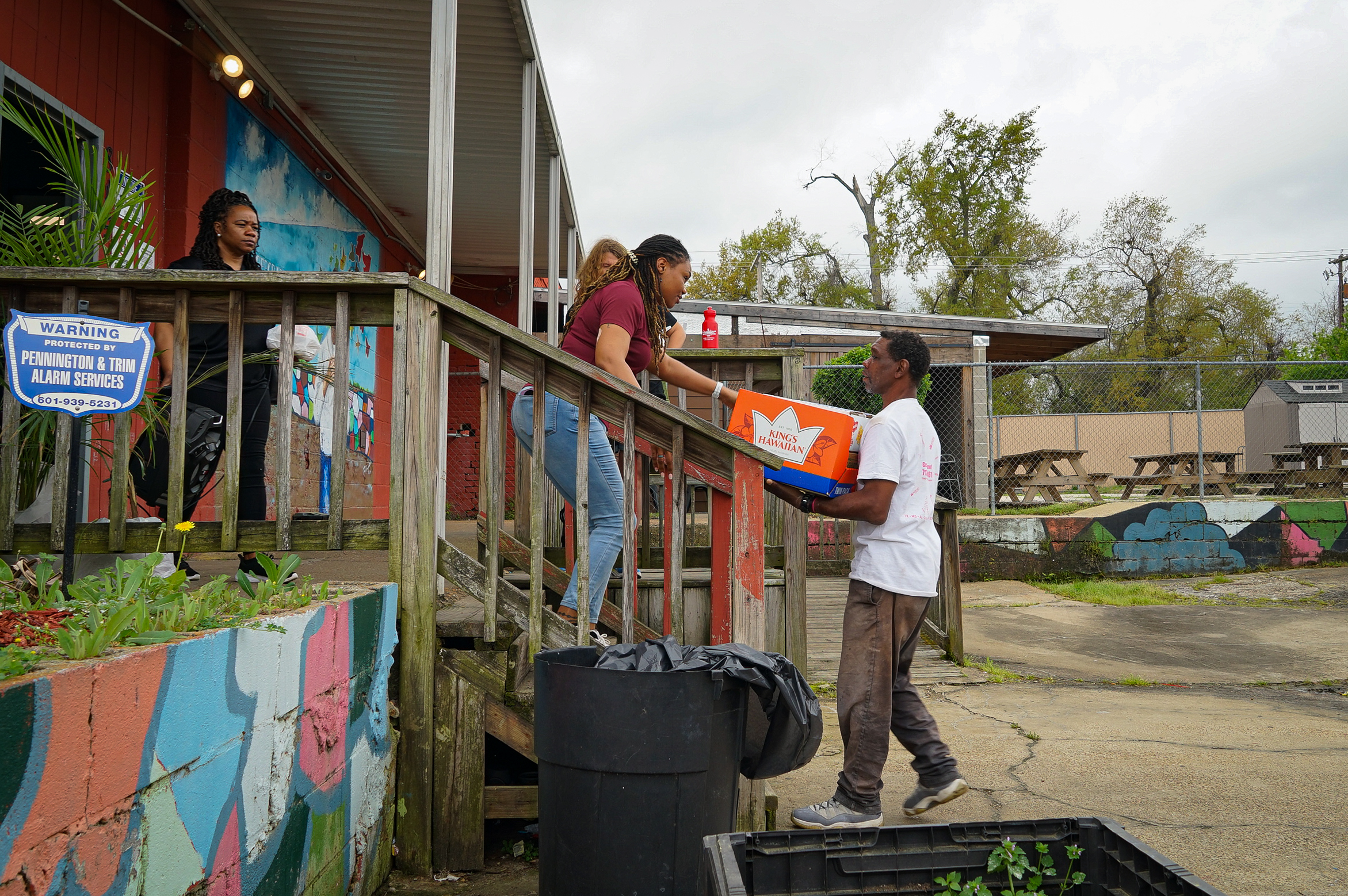
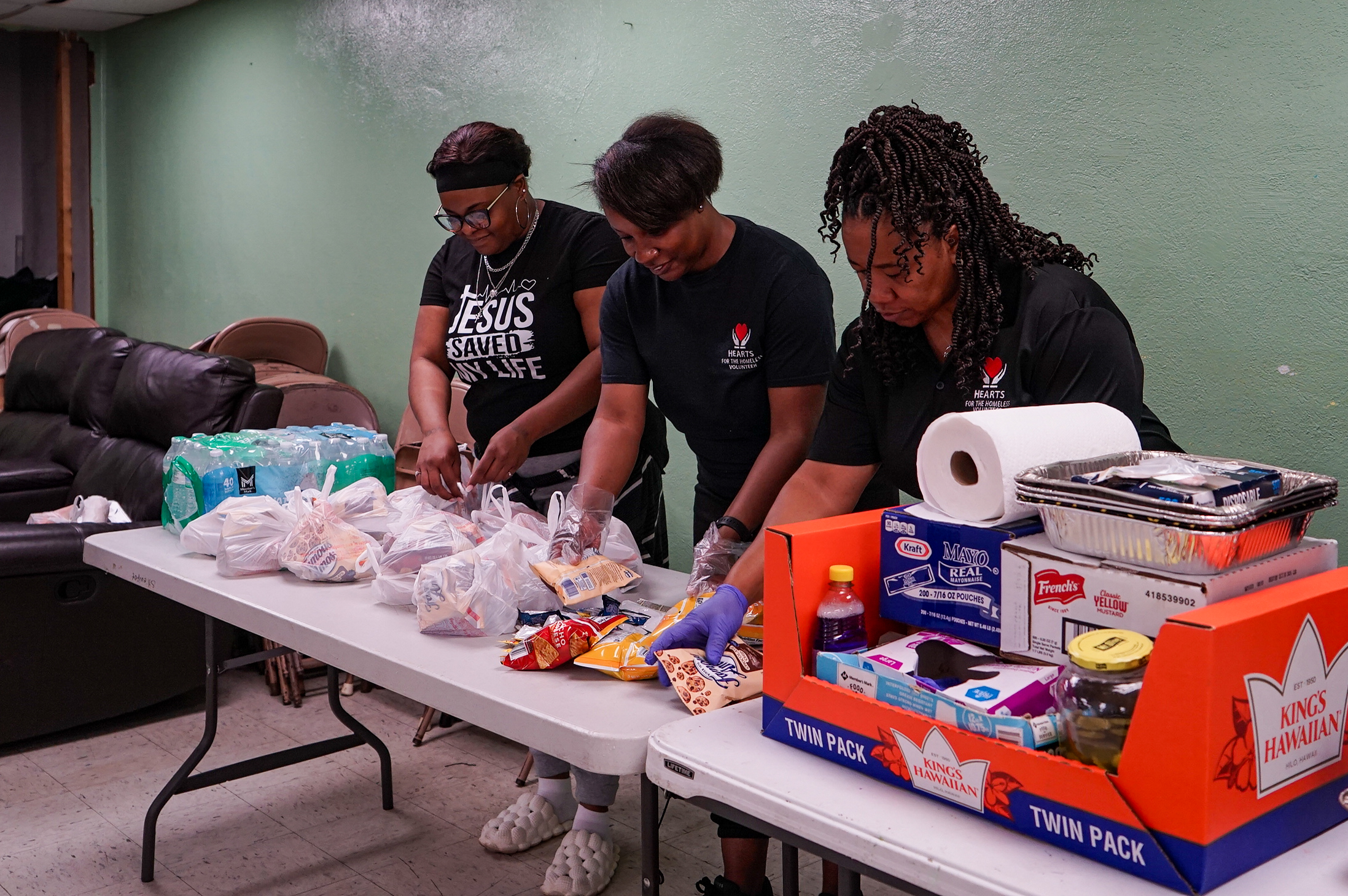
JACKSON, Miss. — Storm clouds hung low above a group heart in Jackson, the place pastor Andre Devine invited folks inside for lunch. Hoagies with smoked turkey and ham drew the gang, however a number of folks lingered without spending a dime preventive well being care: assessments for HIV and different illnesses, flu pictures, and blood strain and glucose monitoring.
Between greetings, Devine, govt director of the nonprofit group Hearts for the Homeless, commiserated together with his colleagues concerning the a whole bunch of 1000’s of {dollars} their teams had misplaced inside a few weeks, swept up within the Trump administration’s termination of analysis {dollars} and clawback of greater than $11 billion from well being departments throughout the nation.
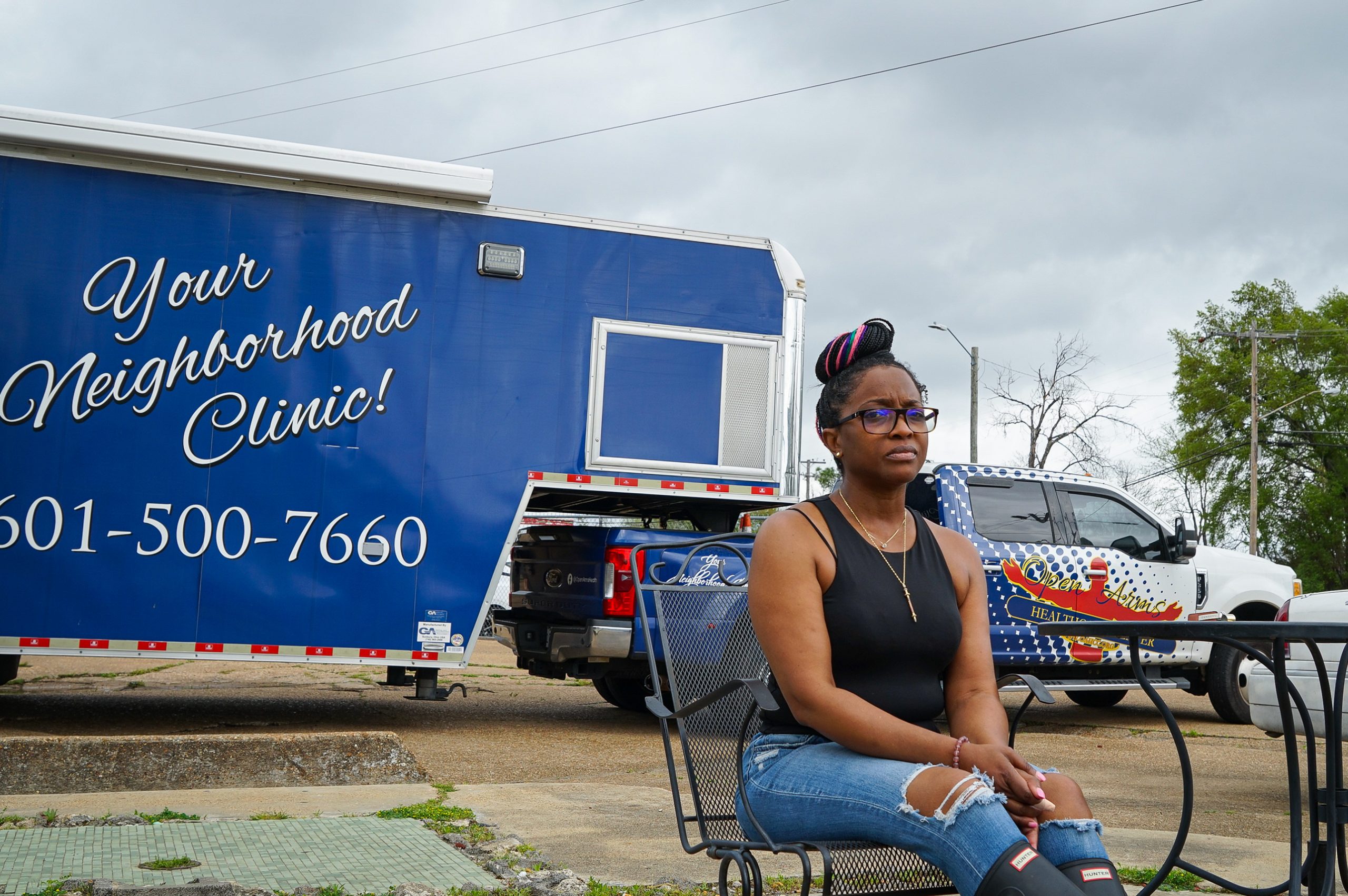
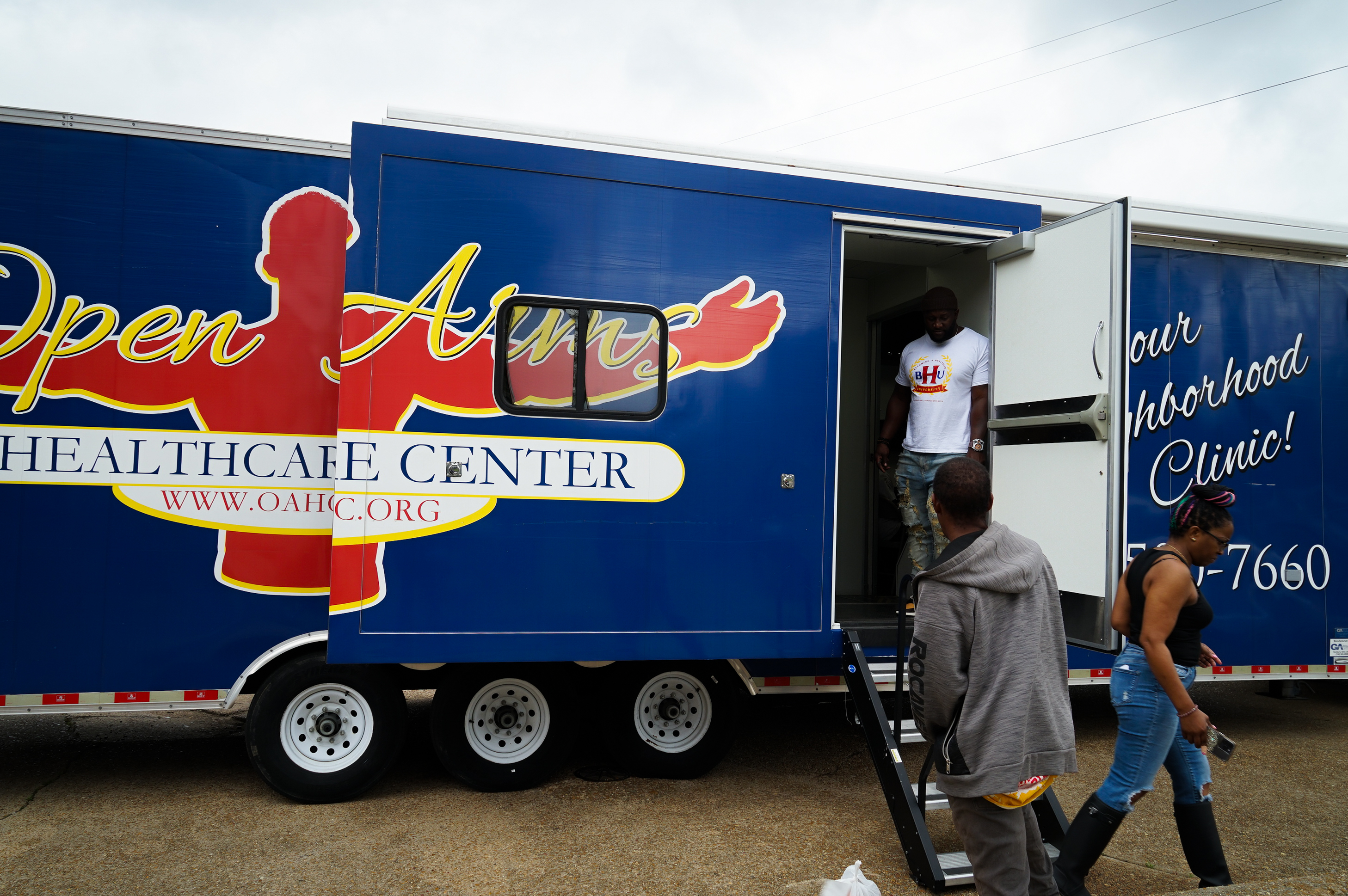
Devine must cut back meals distribution for folks in want. And his colleagues on the nonprofit well being care group My Brother’s Keeper have been frightened they’d should shutter the group’s cell clinic — an RV providing HIV assessments, parked beside the group heart that morning. A number of workers had already been furloughed and the cuts stored coming, mentioned June Gipson, CEO of My Brother’s Keeper.
“Folks can’t work with out being paid,” she mentioned.
The administrators of different community-based teams in Mississippi, Alabama, Louisiana, and Tennessee instructed KFF Well being Information they too had decreased their spending on HIV testing and outreach due to delayed or slashed federal funds — or they have been planning to take action, anticipating cuts to come back.
Scaling again these efforts might show tragic, Gipson mentioned. With out an additional increase of assist to get examined or keep on therapy, many individuals residing with HIV will develop sicker and stand a higher likelihood of infecting others.
President Donald Trump, in his first time period, promised to finish America’s HIV epidemic — and he put the assets of the federal authorities behind the trouble. This time, he has deployed the powers of his workplace to intestine funding, abandoning these communities at highest danger of HIV.
Trump’s earlier efforts focused seven Southern states, together with Mississippi, the place funds went to group teams and well being departments that tailor interventions to traditionally underserved communities that face discrimination and have less access to high quality training, well being care, secure earnings, and generational wealth. Such elements assist clarify why Black folks accounted for 38% of HIV diagnoses in america in 2023, regardless of representing solely 14% of the inhabitants, and also why half of the nation’s new HIV infections happen within the South.
Now, Trump is undermining HIV efforts by barring funds from applications constructed round variety, fairness, and inclusion. A Day One govt order mentioned they symbolize “immense public waste and shameful discrimination.”
Since then, his administration has cut millions of dollars in federal grants to well being departments, universities, and nonprofit organizations that do HIV work. And in April, it eradicated half of the Facilities for Illness Management and Prevention’s 10 HIV department places of work, in response to an e mail to grant recipients, reviewed by KFF Well being Information, from the director of the CDC’s Division of HIV Prevention. The layoffs included workers who had overseen the rollout of HIV grants to well being departments and community-based teams, like My Brother’s Keeper.
The CDC offers more than 90% of all federal funding for HIV prevention — about $1 billion yearly. The Trump administration’s Could 2 funds proposal for fiscal 2026 takes goal at DEI initiatives, together with in its rationalization for slicing $3.59 billion from the CDC. Though the proposal doesn’t point out HIV prevention particularly, the administration’s drafted plan for HHS, launched mid-April, eliminates all prevention funding on the CDC, in addition to funding for Trump’s initiative to finish the epidemic.
Eliminating federal funds for HIV prevention would result in greater than 143,000 extra folks within the U.S. turning into contaminated with HIV inside 5 years, and about 127,000 extra individuals who die of AIDS-related causes, in response to estimates from the Foundation for AIDS Research, a nonprofit often called amfAR. Extra medical prices would exceed $60 billion, it mentioned.
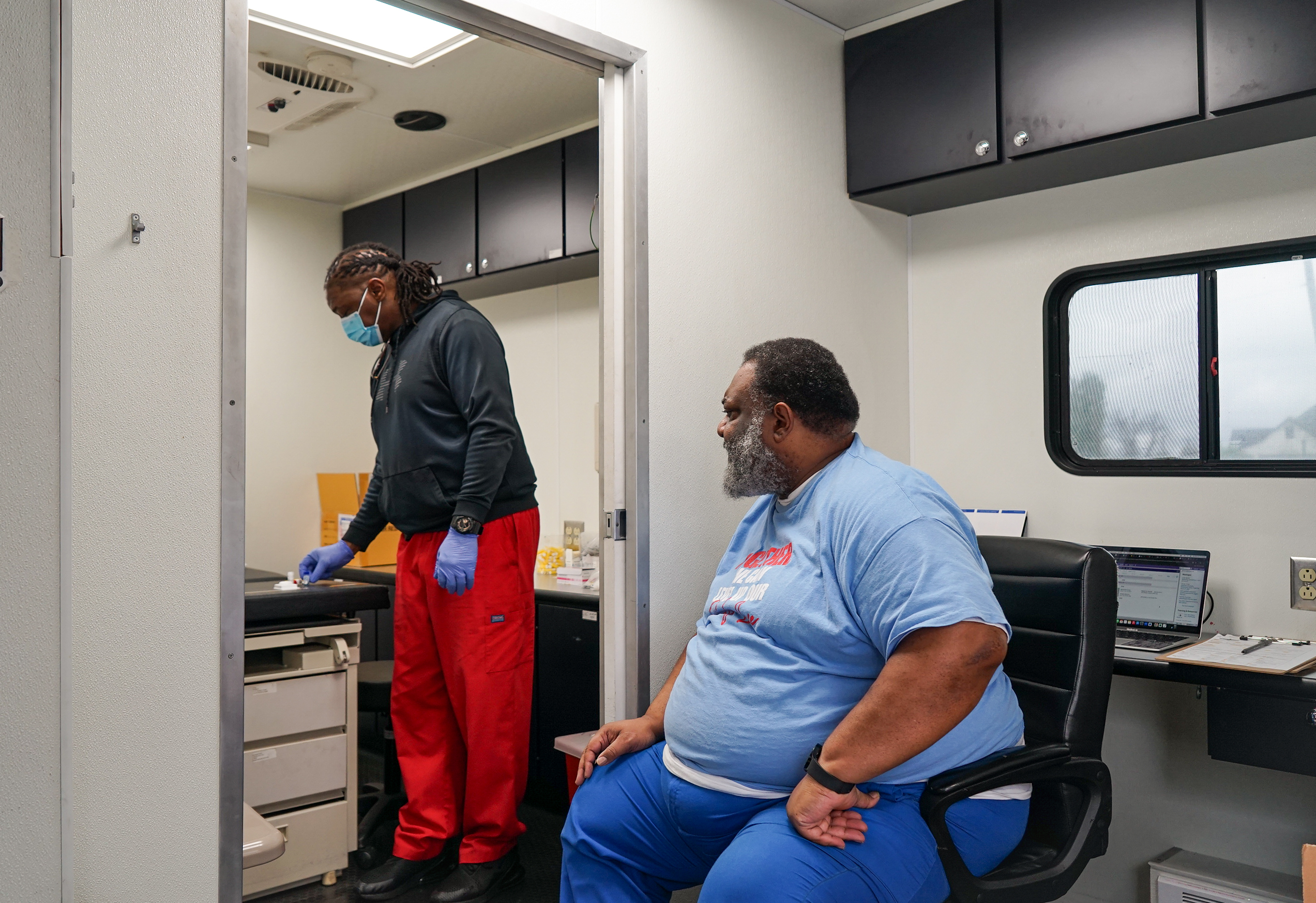
Eldridge Dwayne Ellis, the coordinator of the cell testing clinic at My Brother’s Keeper, mentioned curbing the group’s providers goes past HIV.
“Folks see us as their solely outlet, not only for testing however for confidential conversations, for a shoulder to cry on,” he mentioned. “I don’t perceive how somebody, with the stroke of a pen, might simply haphazardly write off the well being of tens of millions.”
Quiet Tears
Ellis got here into his function within the cell clinic haphazardly, when he labored as a building employee. All of a sudden dizzy and unwell on a job, a co-worker instructed he go to the group’s brick-and-mortar clinic close by. He later utilized for a place with My Brother’s Keeper, impressed by its efforts to present folks assist to assist themselves.
For instance, Ellis described a younger man who visited the cell clinic lately who had been kicked out of his residence and was sleeping on couches or on the road. Ellis considered pals he’d identified in related conditions that put them susceptible to HIV by growing the probability of transactional intercourse or substance use issues.
When a fast check revealed HIV, the younger man fell silent. “The quiet tears harm worse — it’s the dread of mortality,” Ellis mentioned. “I attempted to be as robust as potential to let him know his life shouldn’t be over, that this wasn’t a demise sentence.”
Ellis and his workforce enrolled the person into HIV care that day and stayed in contact. In any other case, Ellis mentioned, he won’t have had the means or fortitude to hunt therapy on his personal and cling to each day HIV capsules. Not solely is that lethal for folks with HIV, it’s unhealthy for public well being. HIV consultants use the phrase “therapy as prevention” as a result of most new infections derive from individuals who aren’t adhering to therapy nicely sufficient to be thought of virally suppressed — which retains the illness from spreading.
Solely a third of people residing with HIV in Mississippi have been virally suppressed in 2022. Nationally, that quantity is about 65%. That’s worse than in japanese and southern Africa, the place 78% of people with HIV aren’t spreading the virus as a result of they’re on regular therapy.
My Brother’s Keeper is one in all many teams enhancing such numbers by serving to folks get examined and keep on treatment. However the funding cuts in Washington have curtailed their work. The primary loss was a $12 million grant from the Nationwide Institutes of Well being, not even two years right into a 10-year mission. “Packages primarily based totally on synthetic and non-scientific classes, together with amorphous fairness goals, are antithetical to the scientific inquiry,” the NIH mentioned in a letter reviewed by KFF Well being Information.
My Brother’s Keeper then misplaced a CDC award to scale back well being disparities — a grant channeled via the Mississippi state well being division — that started with the group’s work through the covid pandemic however had broadened to screening and take care of HIV, coronary heart illness, and diabetes. These are a number of the maladies that account for why low-income Black folks within the Deep South die sooner, on common, than those that are white. Based on a recent study, the previous’s life expectancy was simply 68 years in 2021, on par with the common in impoverished nations like Rwanda and Myanmar.
The group then misplaced CDC funding that lined the price of laboratory work to detect HIV, chlamydia, gonorrhea, and syphilis in sufferers’ blood samples. Mississippi has the highest rate of sexually transmitted illnesses amongst states, partially as a result of folks unfold infections once they aren’t examined and handled.
“The labs are $200 to $600 per individual,” Gipson mentioned, “so now we are able to’t do this with out passing the associated fee to the affected person, and a few can’t pay.”
Two different CDC grants on HIV prevention, collectively value $841,000, have been unusually delayed.
Public well being specialists near the CDC, who spoke on situation of anonymity as a result of they concern retaliation, mentioned they have been conscious of delays in HIV prevention funding, regardless of courtroom orders to unfreeze funds for federal grants in January and February. “The tap was being turned off at the next stage than on the CDC,” one specialist mentioned. The delays have now been compounded, they mentioned, by the gutting of that company’s HIV workforce in April.
“I do know of many organizations reliant on subcontracted federal funds who haven’t been paid for the work they’ve accomplished, or whose funding has been terminated,” mentioned Dafina Ward, govt director of the Southern AIDS Coalition.
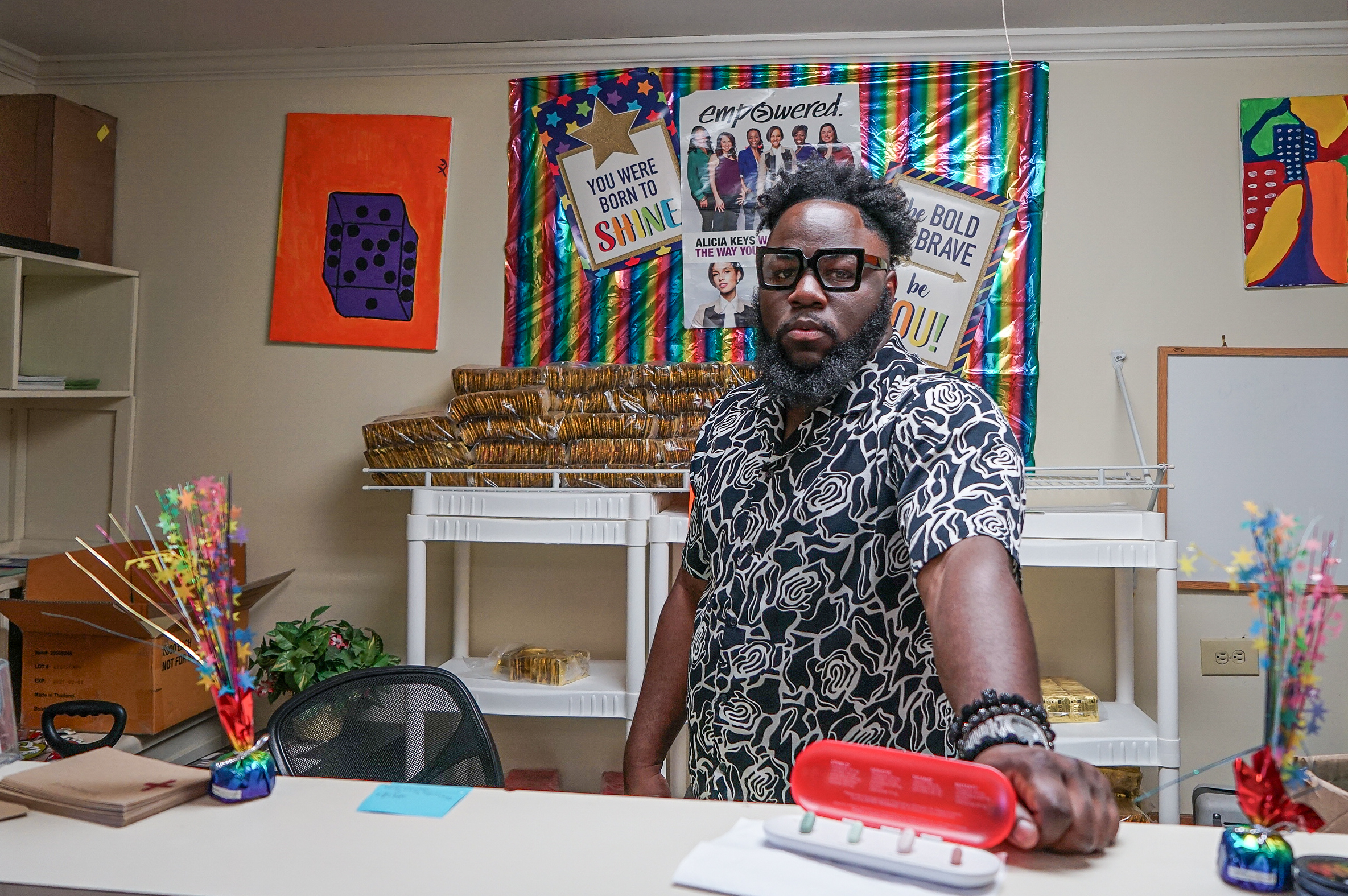
To succeed in the underserved, these teams supply meals, housing help, bus passes, illness screening, and a way of group. A community of the teams was fostered, partially, by Trump’s initiative to finish the epidemic. And it confirmed promise: From 2017 to 2022, new HIV infections decreased by 21% within the cities and the Southern states it focused.
Disparities in infections have been nonetheless large, with the speed of HIV diagnoses about eight times as high for Black folks as white folks, and the South remained hardest hit. Ward was hopeful firstly of this 12 months, nonetheless, as testing grew to become extra widespread and HIV prevention medication — referred to as preexposure prophylaxis, or PrEP — slowly gained recognition. However her outlook has shifted and she or he fears that grassroots organizations won’t climate the funding turmoil.
“We’re seeing an about-face of what it means to really work in the direction of ending HIV on this nation,” she mentioned.
A Closed Clinic
Southeast of Jackson, in Hattiesburg, Sean Fortenberry tears up as he walks right into a small room used till lately for HIV testing. He has stored his job at Mississippi’s AIDS Services Coalition by shifting his function however agonizes concerning the final result. When Fortenberry examined constructive for HIV in 2007, he mentioned, his household and physician saved his life.
“I by no means felt that I used to be alone, and that was actually, actually necessary,” he mentioned. “Different folks don’t have that, so after I got here throughout this place, I used to be gung-ho. I needed to assist.”
However the coalition froze its HIV testing clinic and paused cell testing at homeless shelters, faculties, and church buildings late final 12 months. Kathy Garner, the group’s govt director, mentioned the Mississippi well being division — which funds the coalition with CDC’s HIV prevention {dollars} — instructed her to pause outreach in October earlier than the state renewed the group’s annual HIV prevention contract.
Kendra Johnson, communicable illnesses director at Mississippi’s well being division, mentioned that delays in HIV prevention funds have been initially on the division’s finish as a result of it was brief on administrative workers. Then Trump took workplace. “We have been working with our federal companions to make sure that our new goals have been in step with new HIV prevention actions,” Johnson mentioned. “And we bumped into extra delays resulting from paused communications on the federal stage.”
The AIDS coalition stays afloat largely due to federal cash from the Ryan White HIV/AIDS Program for therapy and from the Division of Housing and City Growth. “If most of those federal {dollars} are lower, we must shut,” Garner mentioned.
The group offers housing or housing help to roughly 400 folks every year. Analysis reveals that folks in secure housing adhere much better to HIV therapy and are far less likely to die than unhoused folks with HIV.
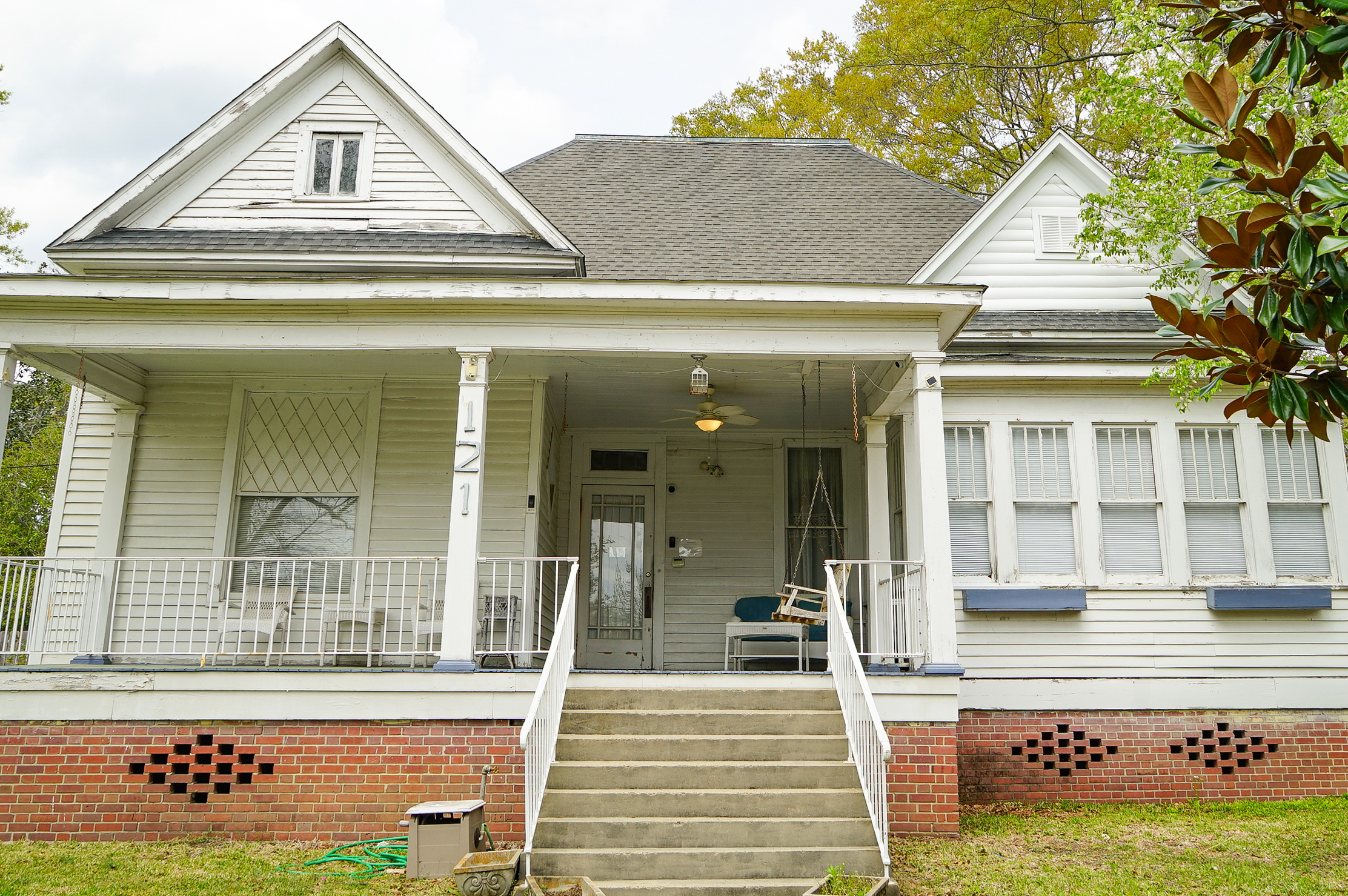
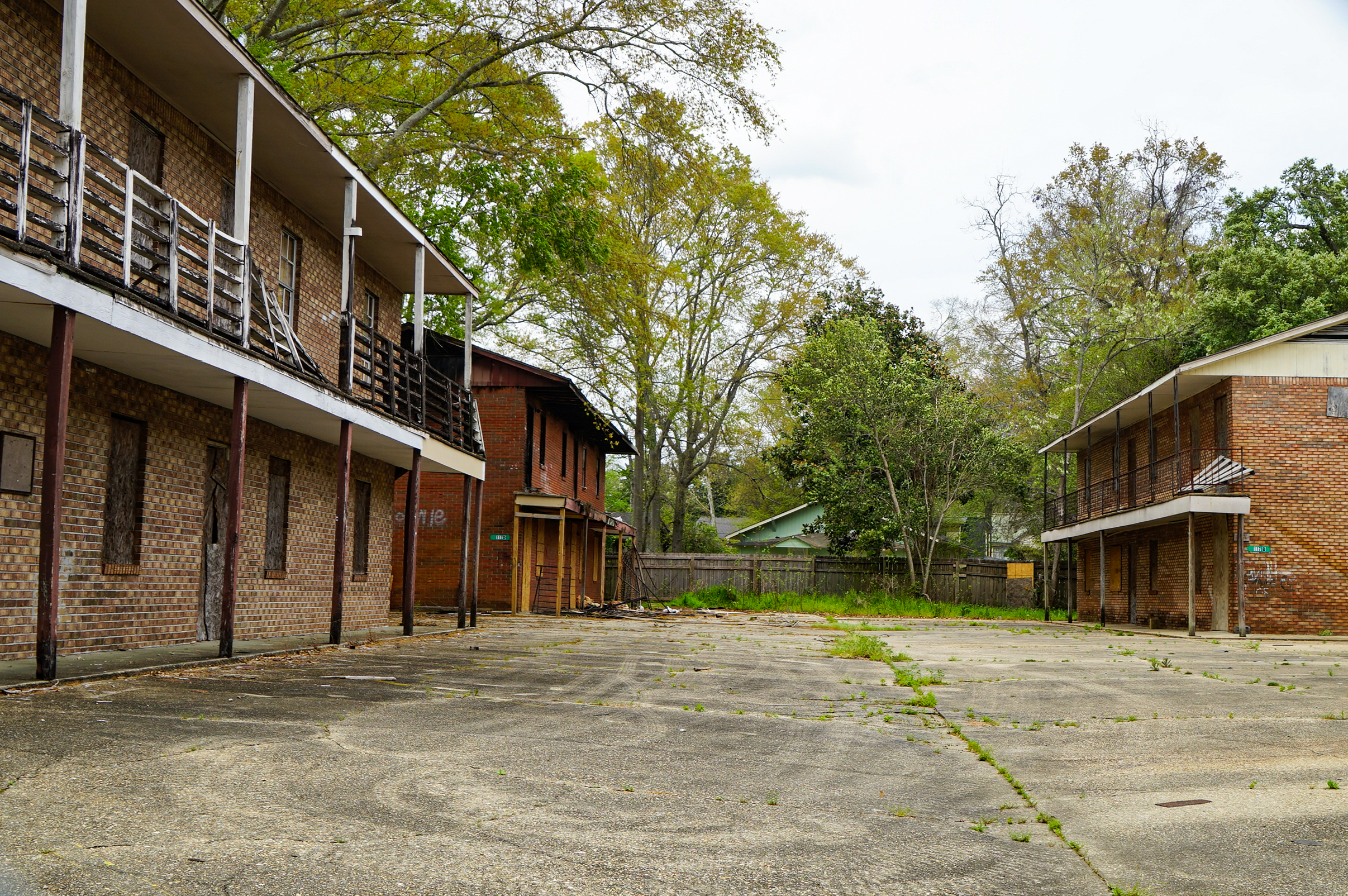
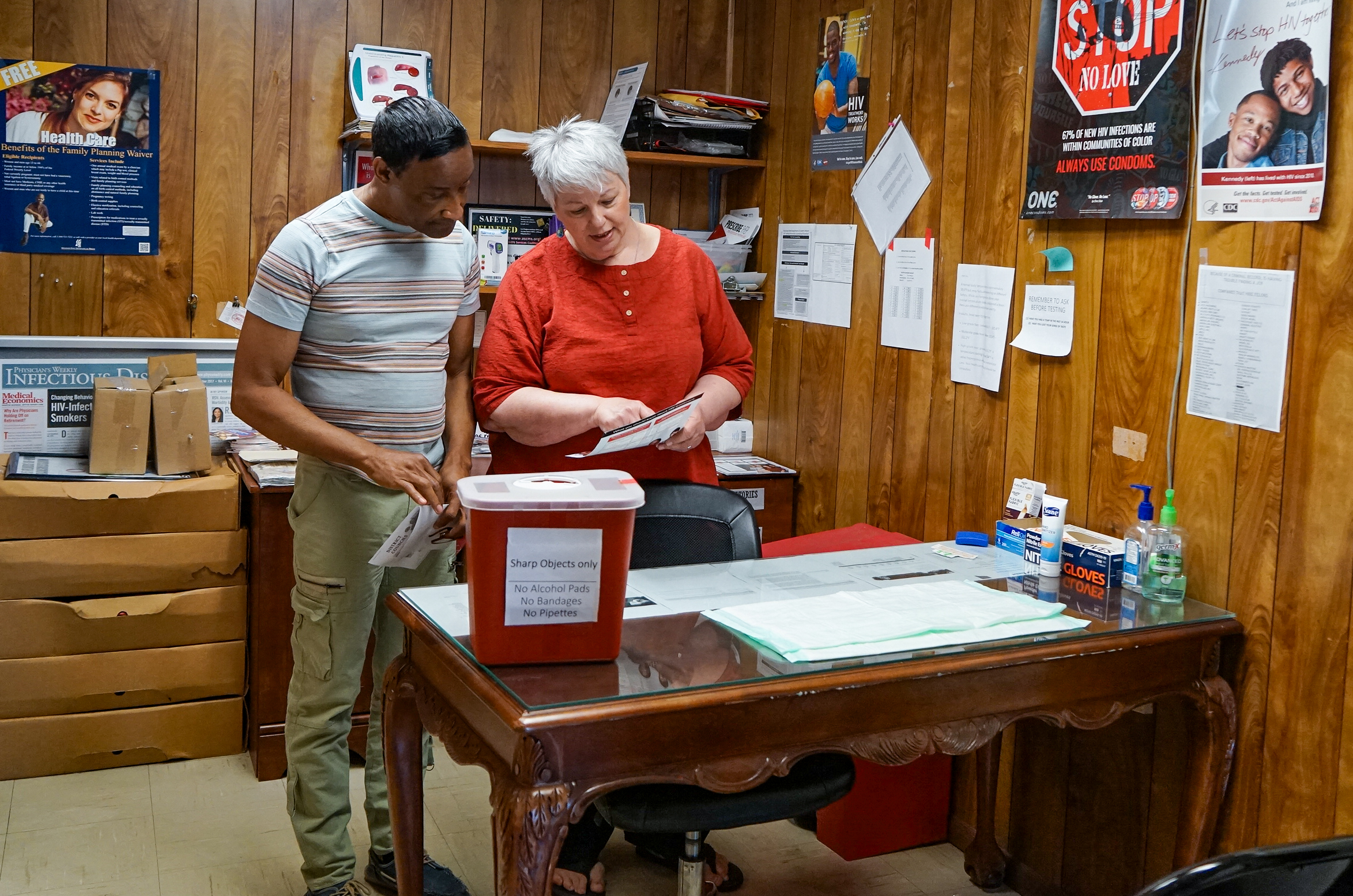
Funding cuts have shaken each state, however the South is acutely weak in the case of HIV, mentioned Gregorio Millett, director of public coverage at amfAR. Southern states have the best stage of poverty and a extreme scarcity of rural clinics, and a number of other haven’t expanded Medicaid in order that extra low-income adults have medical health insurance.
Additional, Southern states aren’t poised to make up the distinction. Alabama, Louisiana, Kentucky, Mississippi, and Missouri put zero state funds into HIV prevention final 12 months, in response to NASTAD, an affiliation of public well being officers who administer HIV and hepatitis applications. In distinction, about 40% of Michigan’s HIV prevention funds is offered by the state, 50% of Colorado’s HIV prevention funds, and 88% of New York’s.
“When you find yourself within the South, you want the federal authorities,” mentioned Gipson, from My Brother’s Keeper. “Once we had slavery, we would have liked the federal authorities. Once we had the push for civil rights, we would have liked the federal authorities. And we nonetheless want the federal authorities for well being care,” she mentioned. “The pink states are going to endure, and we’re going to start out struggling earlier than anybody else.”
‘So Goes Mississippi’
When requested about cuts and delays to HIV prevention funding, the CDC directed queries to HHS. The division’s director of communications, Andrew Nixon, replied in an e mail: “Vital HIV/AIDS applications will proceed underneath the Administration for a Wholesome America (AHA) as part of Secretary [Robert F.] Kennedy’s imaginative and prescient to streamline HHS to higher serve the American folks.”
Nixon didn’t reply to a follow-up query on whether or not the Trump administration considers HIV prevention vital.
On April 4, Gipson obtained a fraction of her delayed HIV prevention funds from the CDC. However Gipson mentioned she was afraid to rent again workers amid the turmoil.
Like the administrators of many different group organizations, Gipson goes after grants from foundations and corporations. Pharmaceutical companies similar to Gilead and GSK that produce HIV medication are among the many largest contributors of non-governmental funds for HIV testing, prevention, and care, however non-public funding for HIV has by no means come near the roughly $40 billion that the federal authorities allotted to HIV yearly.
“If the federal authorities withdraws some or all of its assist, the entire thing will collapse,” mentioned Alice Riener, CEO of the community-based group CrescentCare in Louisiana. “What you see in Mississippi is the start of that, and what’s so regarding is the infrastructure we’ve constructed will collapse shortly however take many years to rebuild.”
Southern well being officers are reeling from cuts as a result of state budgets are already tight. Mississippi’s state well being officer, Daniel Edney, spoke with KFF Well being Information on the day the Trump administration terminated $11 billion in covid-era funds meant to assist states enhance their public well being operations. “There’s not loads of fats, and we’re slicing it to the bone proper now,” Edney mentioned.
Mississippi wanted this increase, Edney mentioned, as a result of the state ranks amongst the lowest in well being metrics together with untimely demise, entry to medical care, and teenage births. However Edney famous hopeful developments: The state had lately moved from fiftieth to forty ninth worst in well being rankings, and its price of recent HIV circumstances was dropping.
“The science tells us what we have to do to establish and take care of sufferers, and we’re enhancing,” he mentioned. “However developments can change in a short time on us, so we are able to’t take our foot off the gasoline pedal.”
If that occurs, researchers say, the comeback of HIV will go unnoticed at first, as folks on the margins of society are contaminated silently earlier than they’re hospitalized. As untreated infections unfold, the rise will finally develop giant sufficient to make a dent in nationwide statistics, a resurgence that can price lives and take years, if not many years, to reverse.
Exterior the group heart on that stormy March morning, pastor Devine lamented not simply the lack of his grant from the well being division, however a $1 billion lower to meals distribution applications on the U.S. Division of Agriculture. He rattled off penalties he feared: Folks counting on meals help can be compelled to determine between shopping for groceries, paying payments, or seeing a health care provider, driving them additional into poverty, into emergency rooms, into crime.
Deja Abdul-Haqq, a program director at My Brother’s Keeper, nodded alongside as he spoke. “So goes Mississippi, so goes the remainder of america,” Abdul-Haqq mentioned. “Struggles might begin right here, however they unfold.”