

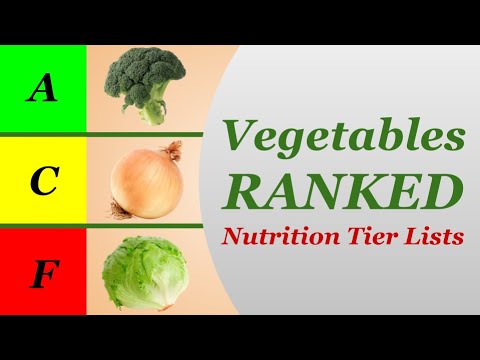
Greens. Usually essentially the most stereotypically heathy meals group that we as individuals frequently eat. For ages people have gathered and planted stalks and roots and full civilizations have flourished on them.
However does new science really again this up or have we had the wool pulled over our eyes that this group of watered down salad fodders is extra nutritious than we thought?
At this time we’re breaking down every one’s execs and cons and having them face off face to face with each other to see which of them must be in your salad bowls and which of them are higher left within the floor.

What I Would Change:
There are two several types of Vitamin Ok, every with totally different makes use of. To my data, solely Vitamin K1 is present in plant sources.
Upon additional publicity to the facility of anthocyanins, I might transfer Eggplant up at the very least one tier if not two as a result of it is uniquely excessive Nasunin content material.
All nutrient knowledge is pulled from the USDA’s Nationwide Nutrient Database for Customary Reference.
Introducing: Greens – 0:00
Artichoke – 2:23
Arugula – 3:20
Asparagus – 3:50
Beetroot – 4:39
Bell Pepper – 5:34
Bok Choy – 6:18
Broccoli – 6:56
Brussel Sprout – 7:52
Cabbage – 8:40
Carrot – 9:13
Cauliflower – 9:53
Celery – 10:25
Chili Pepper – 10:53
Collard Inexperienced – 11:50
Corn – 12:36
Cucumber – 13:26
Eggplant – 14:04
Endive – 14:50
Garlic – 15:24
Inexperienced Bean – 16:29
Jalapeno – 17:11
Kale – 17:47
Leek – 18:44
Iceberg Lettuce – 19:25
Romaine Lettuce – 19:56
Mustard Inexperienced – 20:25
Okra – 21:00
Onion – 21:39
Parsnip – 22:29
Peas – 22:59
Dill Pickle – 23:44
Potato – 24:22
Radish – 25:09
Spinach – 25:36
Candy Potato – 26:59
Turnip – 27:50
Water Chestnut – 28:25
Watercress – 29:00
Conclusion – 29:39
#greens #fruitsandveggies #vitamin #nutritiontierlist #eating regimen #vegetarian #vegan #weightloss
source