


Current analysis hyperlinks this meals group to fewer wake-ups through the night time and a 16 % enchancment in sleep high quality
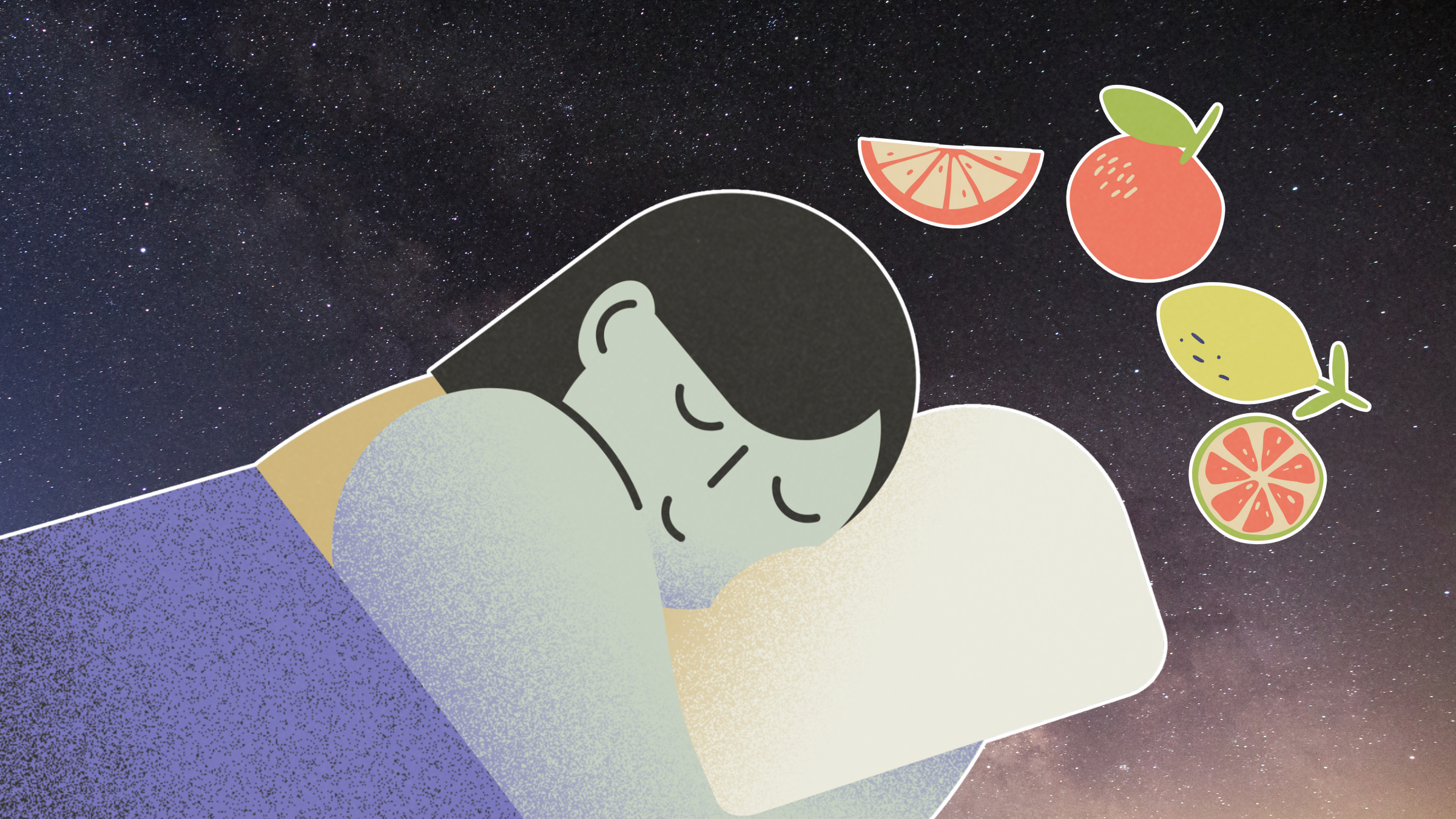
(Photograph: Ayana Underwood/Canva)
Printed November 18, 2025 11:15AM
We’ve all heard the gospel of sleep hygiene by now. No screens earlier than mattress. Maintain your bed room cool and cave-dark.

However a recent study out of the College of Chicago, revealed within the journal Sleep Well being, suggests we is likely to be beginning within the unsuitable room. In keeping with researchers, what you eat through the day—particularly what number of vegetables and fruit you devour—may affect how properly you sleep that night time.
Which suggests the actual secret to deeper sleep would possibly transcend blackout curtains and blue-light blockers—and embody a chopping board and a bunch of broccoli. So, how precisely did researchers measure the hyperlink between what’s in your plate and what occurs when you sleep?
How They Studied Sleep High quality and Meals Consumption
Researchers tracked 34 wholesome adults—28 males and 6 ladies between the ages of 20 and 49—over a number of days. Members logged what they ate utilizing a vitamin app developed by the Nationwide Institutes of Well being. At night time, they wore actigraphs—wrist gadgets that objectively observe motion and relaxation.
Researchers then analyzed how meals selections affected a key sleep metric: the Sleep Fragmentation Index (SFI). Consider it as a restlessness meter—it tracks how typically your sleep is damaged up by micro-awakenings, lots of which you gained’t even keep in mind. Decrease scores imply deeper, extra consolidated sleep.
“What folks eat through the day can affect their sleep at night time,” says Marie-Pierre St-Onge, co-senior creator of the examine and creator of Eat Better, Sleep Better. Most of us can record culprits that mess with our relaxation (caffeine, doomscrolling, work stress), however we not often take into consideration the meals that would enhance it.
5 Cups of Fruits and Greens Per Day Equals Higher Sleep
On days when contributors ate extra vegetables and fruit, their SFI was decrease. The researchers discovered that hitting the Facilities for Illness Management and Prevention’s (CDC) five-cup produce recommendation may correlate with roughly 16 % much less sleep fragmentation than consuming none.
That quantity wasn’t a direct measurement however a projection based mostly on statistical modeling. They adjusted for whole energy to ensure the impact wasn’t nearly consuming extra meals typically. Even after controlling for power consumption, the hyperlink held.
Fruit and veggies assist regulate blood sugar and irritation—two programs that may both settle or scramble your nervous system at night time. Additionally they ship micronutrients, similar to vitamin K, which may induce leisure by decreasing the stress hormone cortisol.
What about fiber? Whereas this examine solely discovered a non-significant pattern, St-Onge factors to earlier analysis from her staff exhibiting that fiber was related to extra deep sleep. “This could possibly be by way of intestine microbiome modulation,” she says, which influences the discharge of short-chain fatty acids—molecules that upregulate sleep-promoting genes within the mind.
If 5 Cups Sounds Like a Lot, a Dietitian Suggests These Methods to Make Consuming Your Fruits and Veggies Simpler
Information from the CDC point out that solely about ten percent of U.S. adults meet beneficial consumption ranges for fruits or greens. That’s tremendous low, however getting your produce doesn’t must really feel like a full-time job.
1. Add Them to Meals You Already Like
“Essentially the most life like technique,” says registered dietitian Nicole Short, “is to construct vegetables and fruit into the meals you’re already having fun with.” Which means tossing spinach or kale right into a smoothie, layering tomatoes or peppers right into a breakfast sandwich, or including steamed veggies or a facet salad to a normal dinner. “When it turns into a part of your routine,” she provides, “assembly the each day consumption begins to really feel life like—and sustainable.”
2. Pack Produce in Your Bag or Stash Dried Fruit at Work
For busy or lively folks, time is usually the most important barrier. “Comfort is every thing,” says Quick. She recommends protecting ready-to-eat choices available: pre-washed salad greens, a bag of child carrots, and pre-cut fruits. Her go-to rule of thumb? “At all times have grab-and-go produce in your work bag or pantry—dried fruit, apples, bananas, veggie snack packs.”
3. Attempt a Dietitian-Permitted Pattern Menu
The next menu will aid you hit 5 cups of fruits and veggies every day:
- Breakfast: smoothie with berries and spinach (≈ 1½ cups)
- Lunch: grain bowl with roasted veggies (≈ 2 cups)
- Snack: apple and child carrots (≈ 1 cup)
- Dinner: a dinner of your alternative plus a facet of broccoli or bell peppers (≈ ½ cup)
You don’t must overhaul your complete vitamin philosophy—simply sneak a number of extra vegetation into your plate and see what occurs. Simply don’t mistake a smoothie for a silver bullet—right here’s the place the examine’s limits are available.
This wasn’t a randomized trial, and nobody’s claiming broccoli is a miracle sleep drug. The researchers are clear: correlation doesn’t show causation. This was an observational snapshot, and it didn’t account for all doable confounders—caffeine consumption, stress ranges, and coaching load. However contemplating the examine used goal sleep monitoring, not like a lot previous analysis that relied on self-reporting, this can be a important benefit when it comes to accuracy.
If vegetables and fruit can transfer the needle on sleep—even barely—that would ripple into the way you restore, restore, and carry out.
Need extra Outdoors well being tales? Sign up for the Bodywork newsletter. Able to push your self? Enter MapMyRun’s You vs. the Year 2025 working problem.